Smart Ticketing and Driver Shift Management
May 30, 2026
The Project
iGATES was contracted by Ludan-Tech, an Israel-based technology company active in public transportation. Public market information lists Ludan-Tech Ltd. under the LUDT ticker on the Tel Aviv Stock Exchange. For this engagement, iGATES planned, designed and developed an end-to-end smart ticketing and driver shift management solution for bus and Rav-Kav operating environments.
Project scope: about four years, with four developers, two QA engineers and UI/UX specialists from product definition through integration, interoperability testing and certification support.
Engineering Challenge
A bus ticketing system has to work in real field conditions: a driver in motion, short stop times, dedicated hardware, a card reader, printer, GPS, intermittent connectivity and back-office interfaces. The work was therefore not only about screens, but about a fast and reliable workflow that could hold up for a full driver shift.
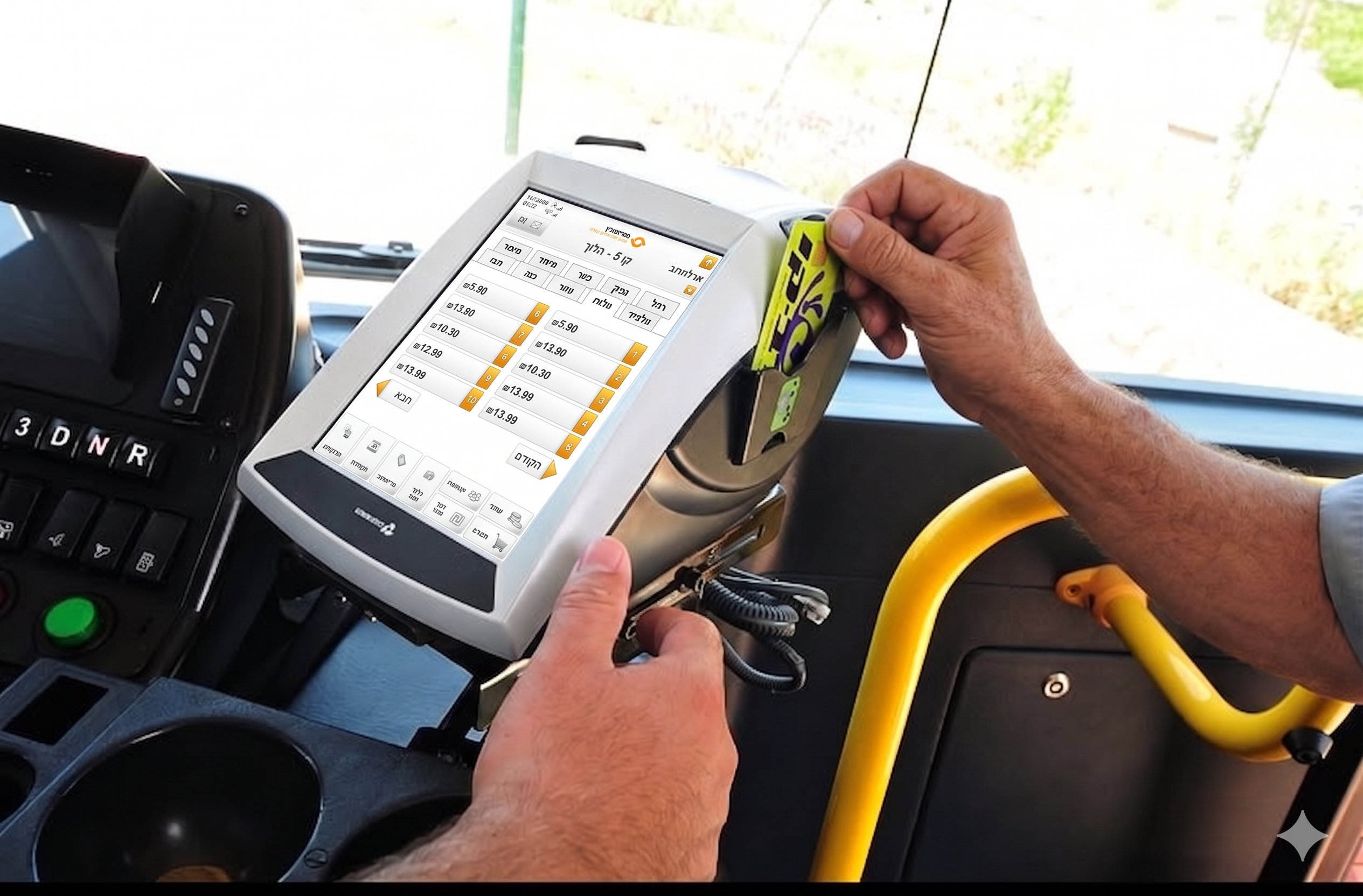
The hardware solution was based on the ACS/Conduent Proxibus PCE 415 Console. The vendor brochure describes it as an on-board platform for advanced bus ticketing operations, including ticket sales, contactless smart-card reloading, printing, internal data storage, driver communication, GPS and peripheral interfaces.
What iGATES Built
- Product architecture and driver workflow definition.
- A Windows CE build tailored to the ACS/Conduent on-board device.
- Hebrew UI/UX for ticket sale, loading, validation and exception handling.
- Integration with card reader, printer, GPS, communication modules, internal storage and peripheral devices.
- Driver shift opening and closing flows, driver reports and operational data synchronization.
- Interoperability testing across the Rav-Kav environment, operators, back-office systems and approval processes.
Rav-Kav and Operators
Rav-Kav is a reloadable smart card used by public transport passengers in Israel. Projects in this domain require a careful combination of simple driver experience, fare products, card loading, validation, operational reporting and downstream data exchange.
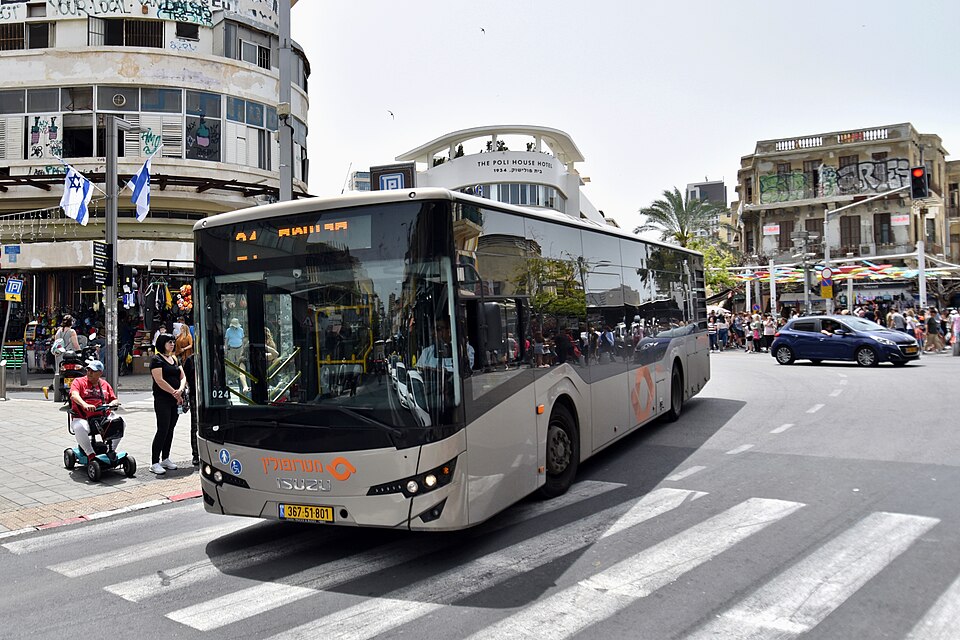
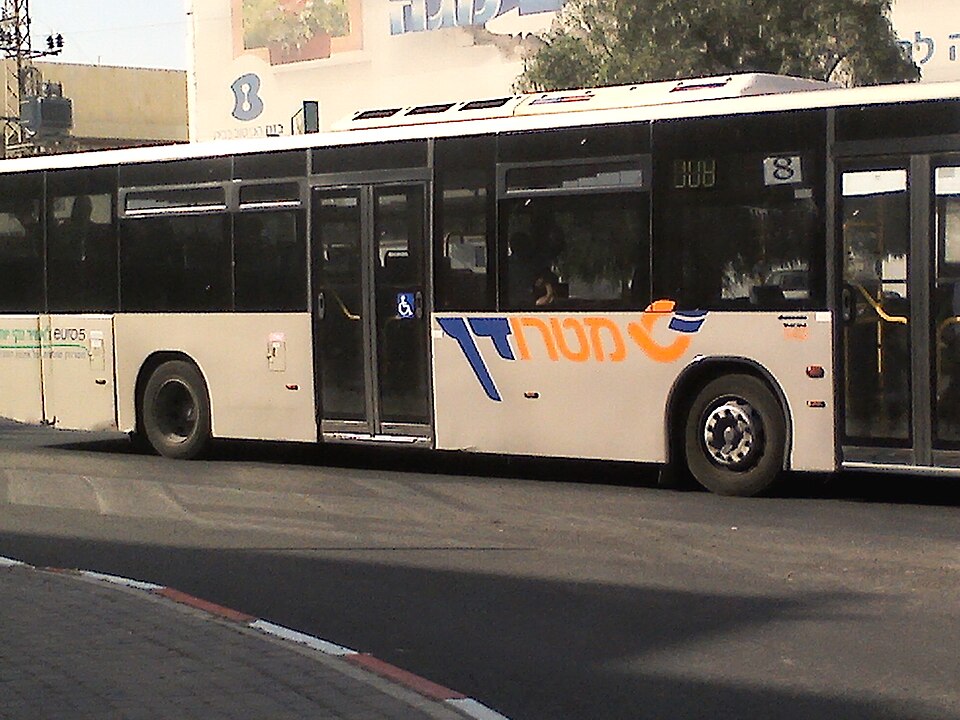
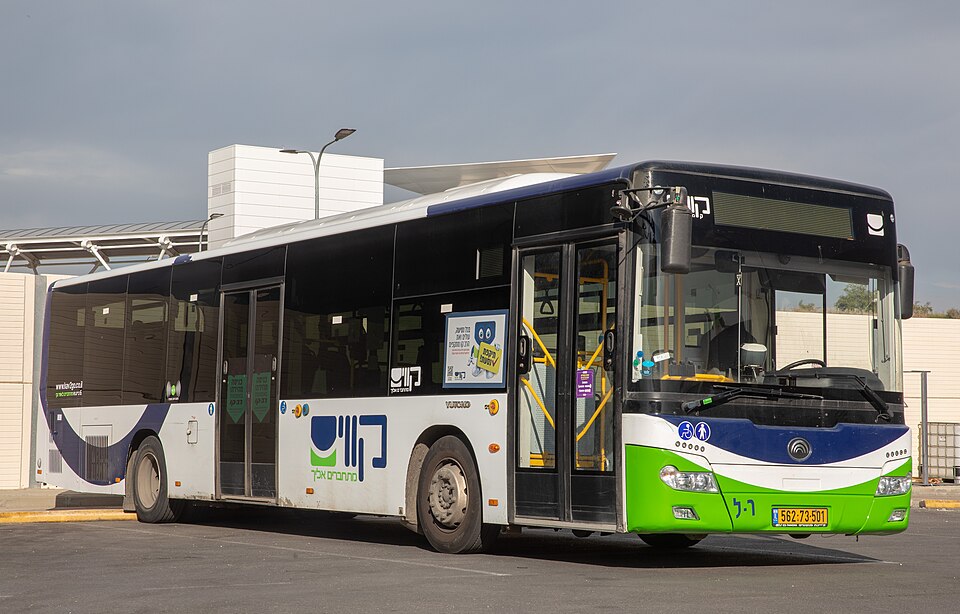
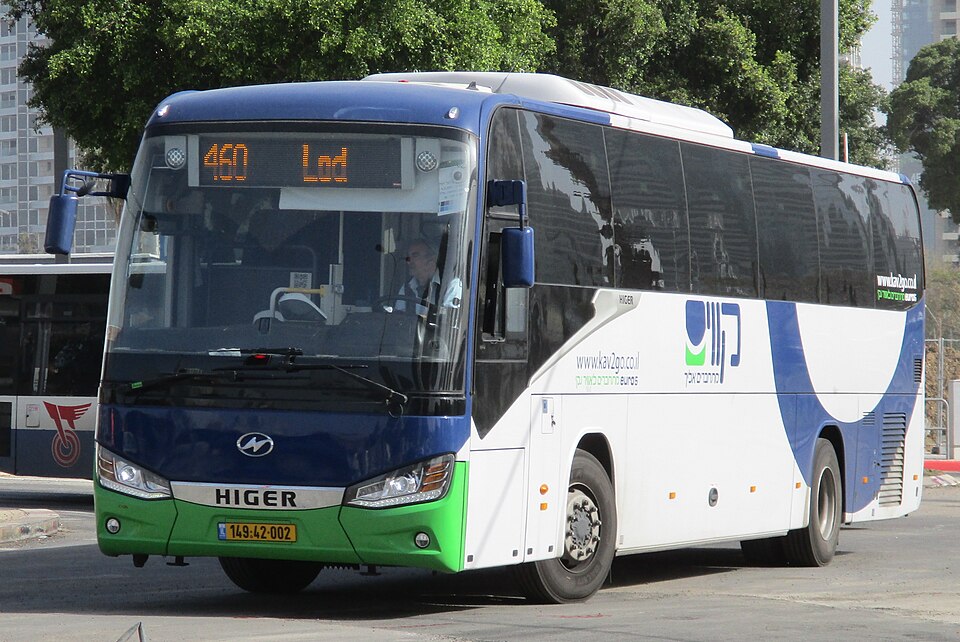
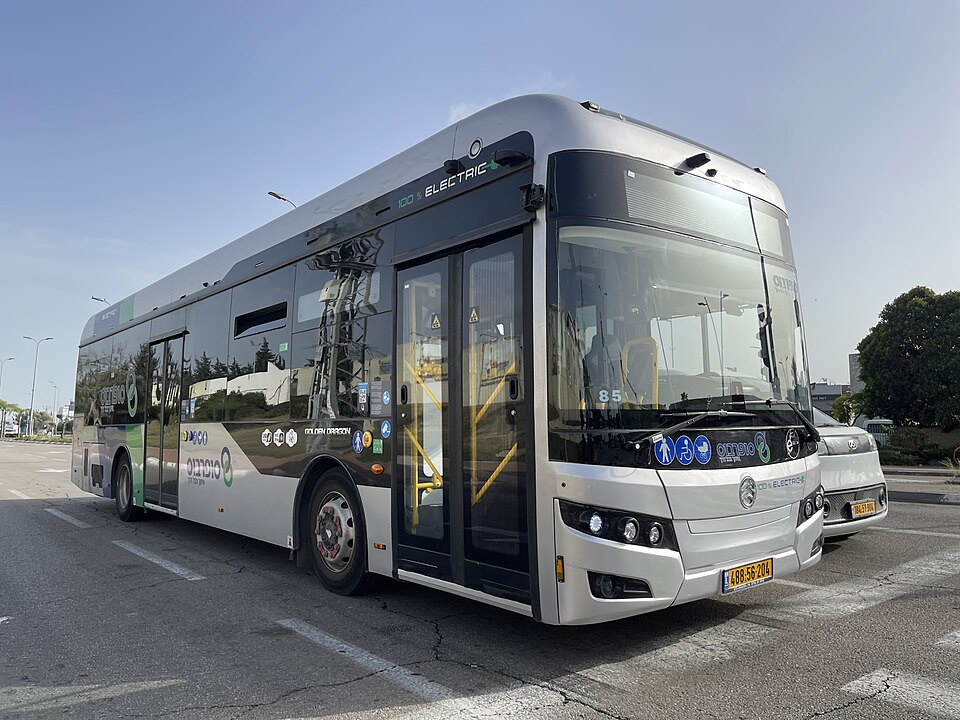
The bus photographs in this article illustrate the Israeli public transport environment in which ticketing and driver-management solutions need to operate, including Metropoline, Metrodan, Kavim, Ilit / Kavim Ilit and Superbus.
Business and Technical Value
The result was a dedicated software layer connecting rugged device constraints, the daily workflow of drivers, public transportation operator requirements and approval processes. The core value was a stable system that could be deployed, tested, certified and maintained over time.
From engineering to delivery
For the client engagement, delivery scope, and project outcome, read the full case study.
Sources
FAQ
What did iGATES develop?
Which hardware platform was used?
How long did the project run?
More articles