Software Development

iGates is a Tel Aviv–based software house that builds custom software systems for global enterprises and Israeli startups. Our software-development practice spans backend services, web platforms, mobile applications, embedded Linux, IoT firmware, and enterprise integrations — delivered by a senior in-house team. Clients include Waze, Siemens, Microsoft, AT&T, LivePerson, Cellebrite, Nayax, Paybox, Isracard, and Shufersal.

We deliver software development across the full technology stack:

  • Backend services and APIs — Node.js, Python, Java, .NET, Go
  • Web platforms and SPAs — React, Next.js, Angular, Vue
  • Mobile applications — native iOS (Swift, Objective-C) and Android (Kotlin, Java, NDK)
  • Embedded Linux and kernel-level work — drivers, BSPs, custom ROMs, Yocto
  • IoT firmware and connected devices — BLE, MQTT, OPC-UA, industrial protocols
  • Enterprise integrations — ERP, CRM, payment, mainframe connectivity
  • Security-aware development — secure boot, signed releases, SELinux hardening
  • DevOps and cloud infrastructure — AWS, Azure, GCP, on-prem

Every engagement starts with a focused discovery phase that maps the business goals, the technology constraints, and the integration surface. From there, our process moves through architecture, iterative development, QA, deployment, and long-term maintenance. We treat security and supply-chain integrity as engineering disciplines from day one — not as a final review step. Clients receive working software at regular intervals so feedback shapes the build, not just the brief.

We work with organizations across telecommunications, industrial automation, defense, financial services, retail, healthcare, and connected products. Reference accounts include Siemens (industrial PLM), AT&T (telecom), Microsoft, Waze (consumer-scale mobile), Cellebrite (forensics), Nayax (vending and unattended retail), Paybox (payments), Isracard (financial services), LivePerson (enterprise messaging), and Shufersal (retail).
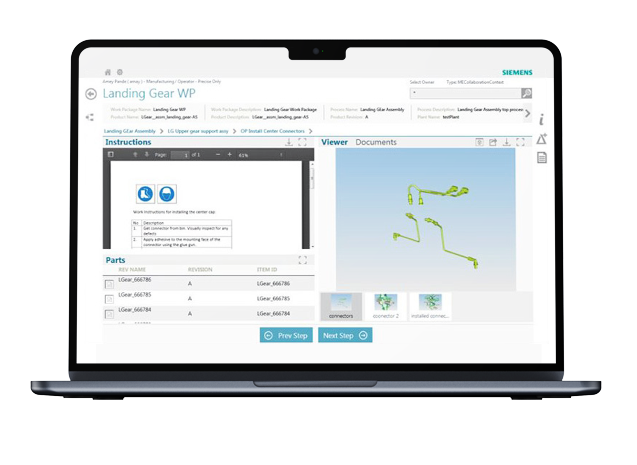
SIEMENS PLM - Electronic Work Instructions

Enterprise-grade engineering

End-to-end delivery of complex operational software, including requirements analysis, architecture, backend services, integrations, and production-ready user interfaces.

The iGATES team supports product owners from early feasibility through implementation, QA, deployment, and long-term evolution.

Read more: SIEMENS PLM - Electronic Work Instructions

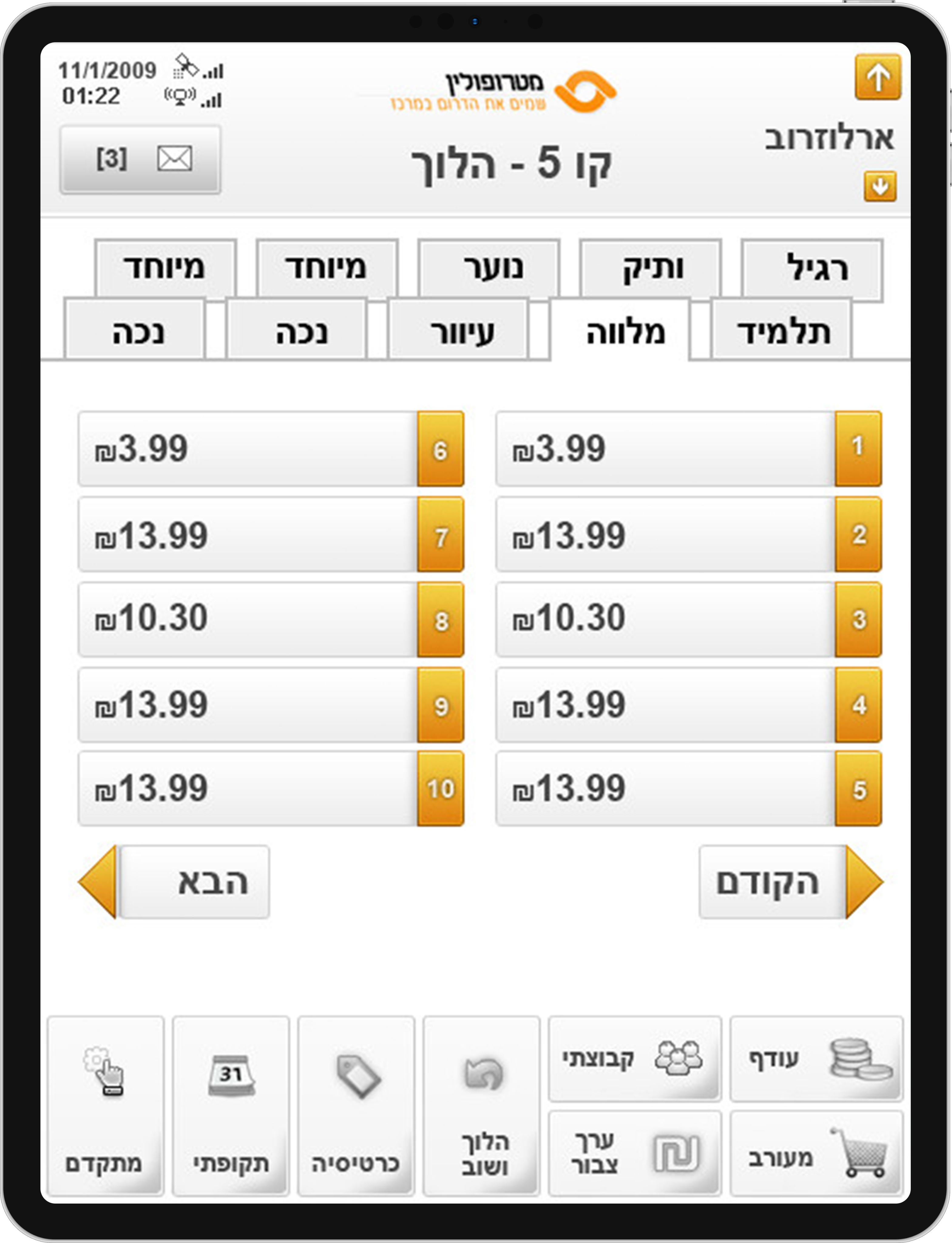
Smart Ticketing and Driver Shift Management

Enterprise-grade engineering

End-to-end delivery of complex operational software, including requirements analysis, architecture, backend services, integrations, and production-ready user interfaces.

The iGATES team supports product owners from early feasibility through implementation, QA, deployment, and long-term evolution.

Read more: Smart Ticketing and Driver Shift Management

Frequently asked questions

What programming languages and frameworks does iGates support?
Our team works in C, C++, Java, Kotlin, Swift, Objective-C, JavaScript, TypeScript, Python, Go, and .NET. On the frontend we use React, Next.js, Angular, and Vue. For mobile we deliver native iOS and Android plus React Native where appropriate. Backend services run on Node.js, Python, Java, .NET, or Go. For embedded and IoT we work with C, C++, Rust, Embedded Linux, Yocto, and various RTOS environments.
Do you work with enterprise clients or startups?
Both. Our enterprise references include Siemens, Microsoft, AT&T, Cellebrite, and LivePerson, where our work spans systems with strict security, compliance, and integration requirements. We also work with Israeli startups and product companies — building MVPs, scaling platforms, and growing engineering capabilities alongside client teams. The same senior engineers work both kinds of project.
How does an engagement typically start?
Every engagement begins with a discovery and feasibility phase — usually two to four weeks — that maps the business goals, the existing technology, the integration surface, the security and compliance constraints, and the realistic delivery path. The output is a written specification with timeline and cost estimates. Only after that document is approved do we move to full development. The discovery step is also where we honestly tell clients when a project doesn't need what they think it needs.
Can iGates take a project end-to-end from hardware to cloud?
Yes. Our team covers the full stack from kernel-level firmware on dedicated hardware, through the device's network stack, to the cloud backend and the management dashboards. We have shipped complete IoT systems for industrial clients including Siemens and Nayax. The advantage of end-to-end ownership is that integration risks between layers — the most common source of project slip — are managed inside one engineering team rather than split across vendors.
How does iGates approach long-term maintenance and security updates?
Every shipped system has an associated maintenance plan. For embedded systems and Custom ROM platforms, we track upstream kernel CVEs, Android Security Bulletins, and vendor BSP updates, and we produce signed update packages on a regular cadence. For web and backend systems, we monitor dependency vulnerabilities and patch on a defined SLA. Long-term maintenance is part of the proposal — not an afterthought added later.
See more: Software Development